Singapore Clay Festival 2026: A Tea Lover’s Guide to Everyday Ceramics
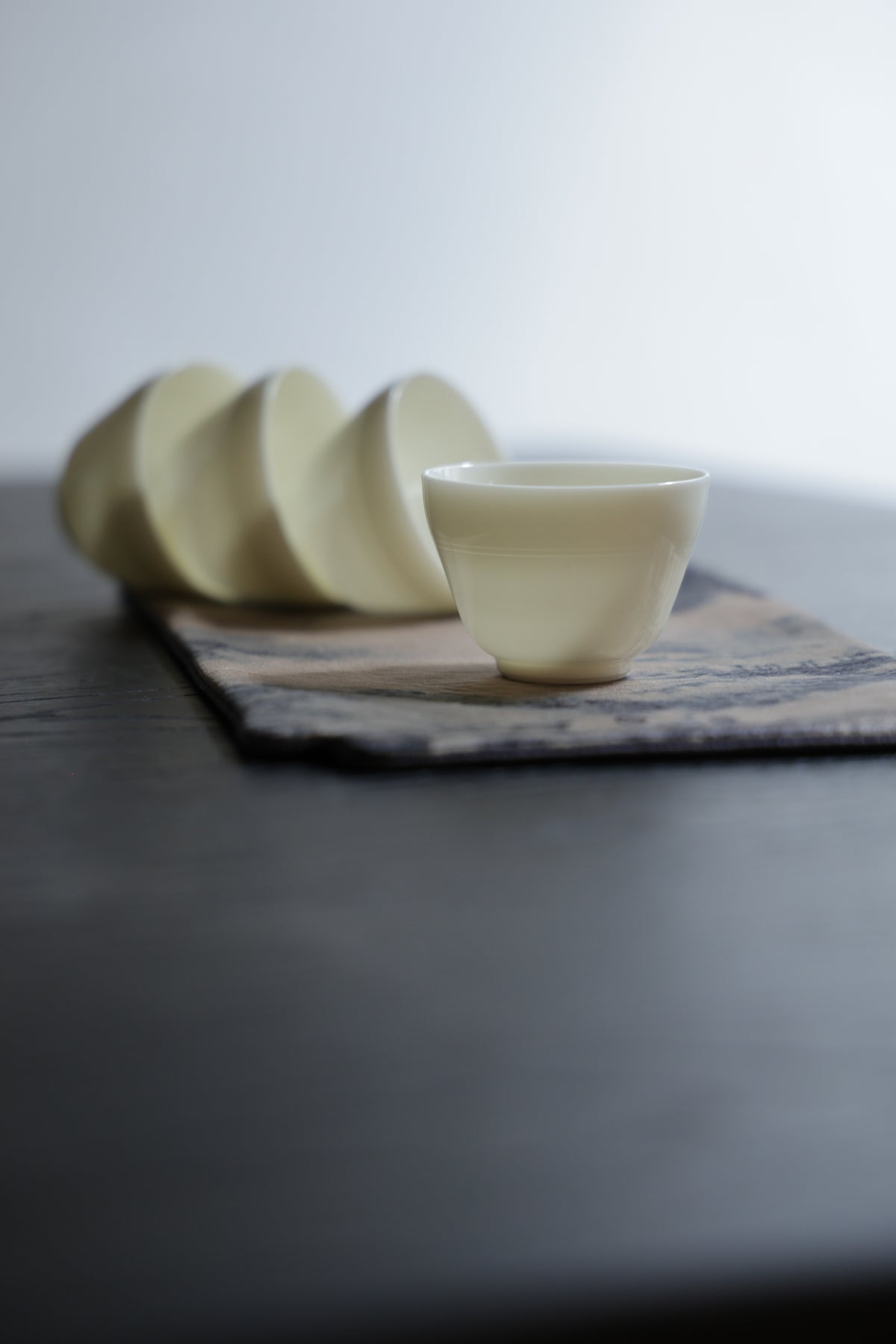
A favourite cup earns its place through use: the way it rests in the hand, the space it gives the tea, and the pleasure of reaching for it again. A ceramics festival offers a chance to look at those small details more closely, away from the speed of online shopping.
Singapore Clay Festival returns from 6 to 8 November 2026 at the Singapore Chinese Cultural Centre. Its programme brings together exhibitions, a makers’ market and hands-on activities. For tea lovers, it is an opportunity to explore ceramics with everyday rituals in mind. It is a broad ceramics festival, rather than a dedicated tea or teaware fair, so treat finding a particular cup or pot as a possibility, not a promise. See the official programme.
Before you go
- Public dates: Friday 6 to Sunday 8 November 2026.
- Opening hours: Friday and Saturday, 11 am–9 pm; Sunday, 11 am–6 pm. All times are Singapore time.
- Venue: Multi-Purpose Hall, Level 7, Singapore Chinese Cultural Centre, 1 Straits Boulevard, Singapore 018906.
- Listed admission: S$10 for a single day or S$18 for a season pass, according to the venue’s event listing. Check the official ticket link for current availability and any additional charges.
- Preview: The 5 November preview is invitation-only, not an additional public visiting day.
The SCCC event listing and festival website provide the practical details. Check them again before travelling. Do not assume workshops or masterclasses are included in general admission; follow the organiser’s individual booking information.
Start by looking, before choosing
Leave time for the exhibitions as well as the market. The programme includes Shaping Clay, a selection of work by Singapore-based ceramic makers, and a Singapore Clay Heritage presentation on Peter Low. These offer a wider view of the work behind the objects on sale. Explore the festival programme.
A useful way to look is to choose one feature and follow it across several pieces. Notice the curve of a rim, the transition from glazed surface to exposed clay, or how a foot lifts a bowl from the table. There is no need to know every technical term. Paying attention is enough to begin a conversation with a maker.
Choose for the tea you actually drink
Before browsing, think about an ordinary tea session at home. Are you making one generous mug while working, or sharing several small infusions? Do you prefer a handle? How much room is there on your tray?
That simple picture can keep a beautiful purchase useful. Ask about capacity, and whether the measurement refers to a full vessel or a comfortable working fill. A small cup that suits a shared tea session may feel quite different when it becomes your only cup for the morning.
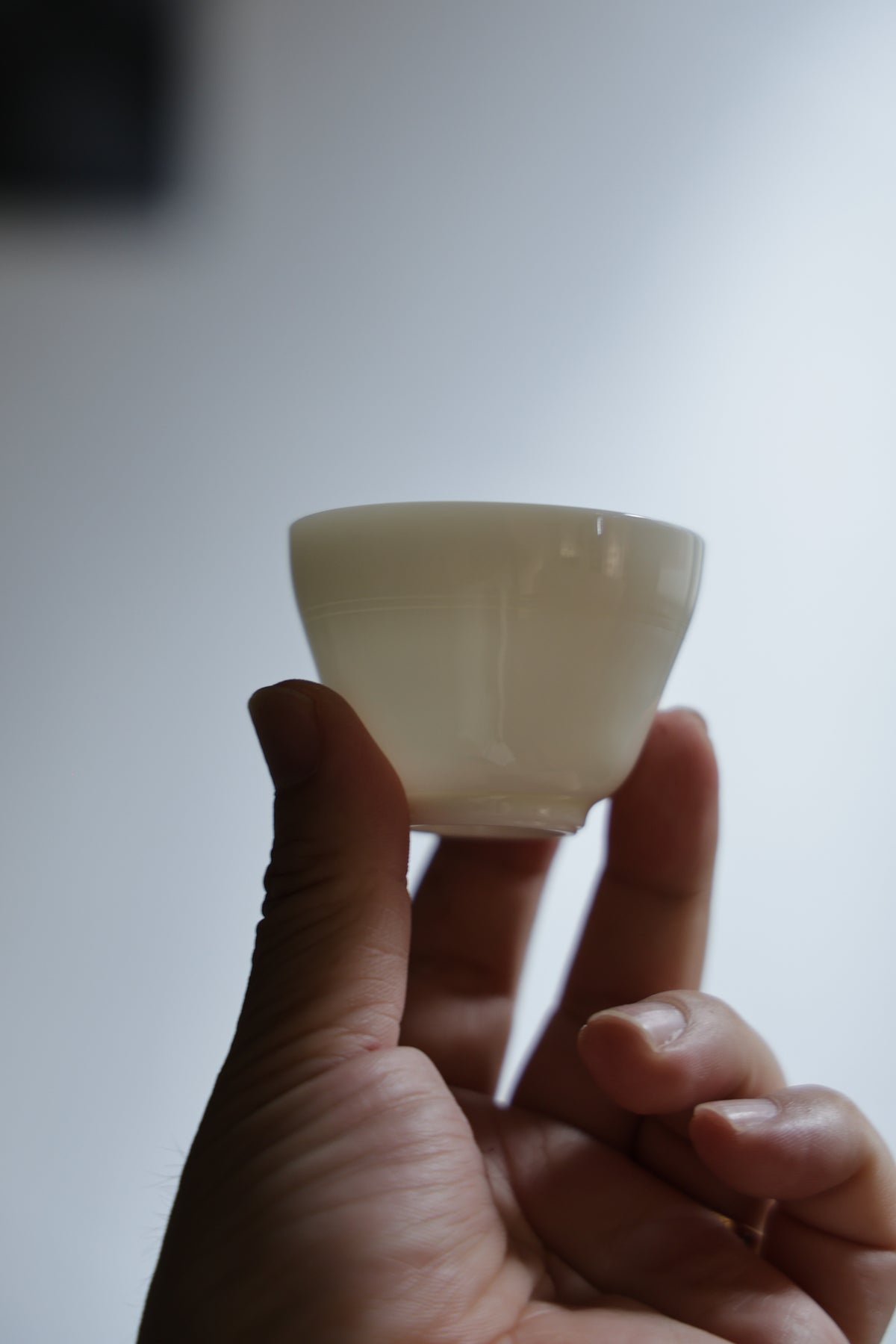
With permission, hold a piece and notice its balance, rim and base. A dry cup cannot tell you everything about its behaviour with hot tea, but it can help you judge whether the shape feels natural in your hand. Never pour water into display pieces unless the maker offers a demonstration.
Have a short conversation with the maker
A few practical questions are more helpful than judging a vessel by colour alone:
- Was this piece made for serving drinks, or primarily as a decorative object?
- Is it suitable for repeated use with hot tea?
- How should it be washed and dried? Are there restrictions on dishwasher or microwave use?
- For a teapot, can the maker explain its working capacity, lid fit and pouring behaviour?
A handmade appearance, a glossy glaze or a reassuring label is not something to interpret beyond the information available. Ask for clear use and care guidance. If suitability remains unclear, enjoy the piece as an artwork rather than assuming it belongs in daily tea service.
Leave room for a slower visit
Set a comfortable budget before entering the market, and make a first circuit without buying. If a piece stays in mind, return to it. Ask before taking close-up photographs, and note the maker’s name so you can find their work again.
The most useful souvenir might be a cup, but it could also be a new understanding of a familiar object. Back at the tea table, look again at a vessel you already own: its rim, weight, handle and the space around it. A thoughtful afternoon with ceramics can make an ordinary cup of tea more interesting without requiring a purchase at all.
Planning information checked on 1 November 2026 against the organiser and venue listings. Programmes, ticket availability and prices may change. This is an independent preview, not a report of an attended visit.


Comments
Post a Comment